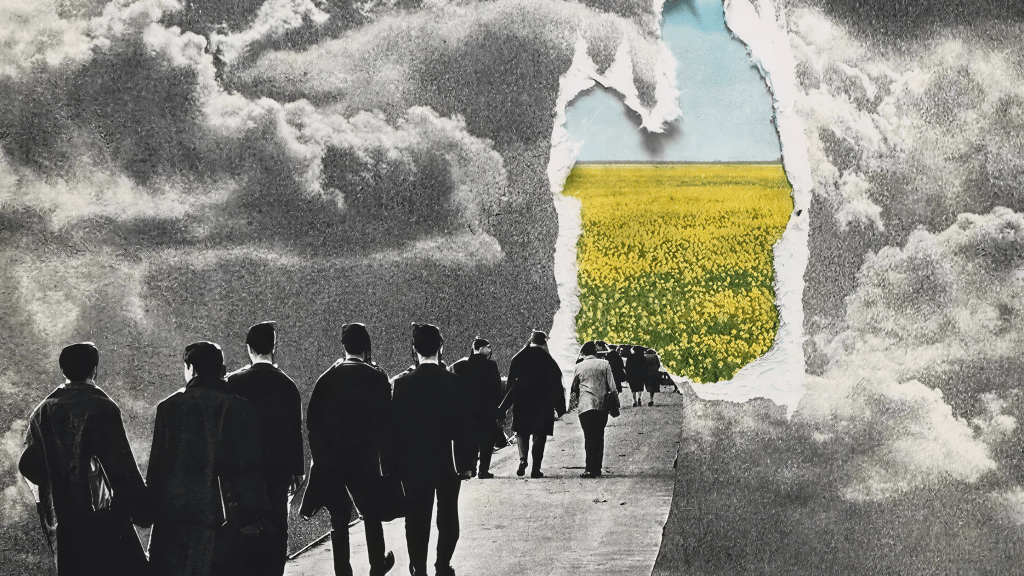
When most people think of Disney World, they think of fantasy worlds and magical princesses. Personally, I imagine the thrill of seeing my 26 year-old sister see Mickey Mouse for the 1000x time and cry.
But beneath the spectacle lies an incredible exercise in human-centered design. Disney World is not just a theme park, it’s a place meticulously crafted to prioritize the human experience. This philosophy utilized by Disney is highlighted in both Ilse Crawford’s approach in Netflix’s Abstract: The Art of Design and the collaborative design strategies laid out in Making Space: How to set the Stage for Creative Collaborative by Scott Doorley and Scott Witthoft.
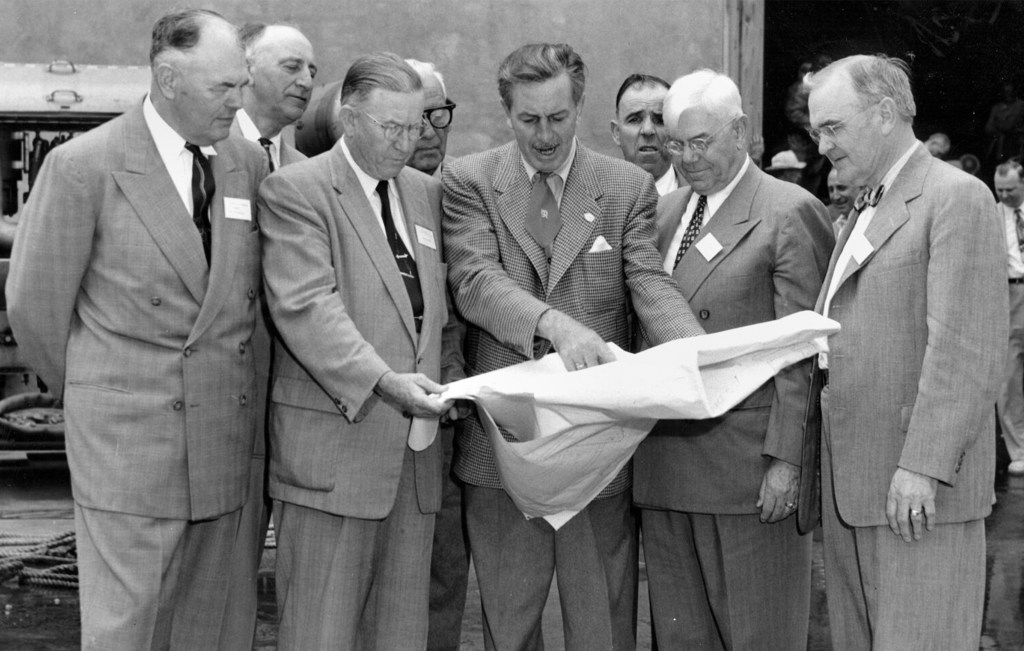
According to Ilse Crawford, people behave differently in different spaces; and therefore design profoundly impacts how we feel and behave. A key guiding principle is empathy and putting people first by designing for how spaces feel just as much as how they look. This philosophy resonate deeply with Disney’s ethos.
Walking through Disney World, it becomes clear that every element, from the width of a street to the background music/soundtrack, to the smell of popcorn, has been designed to play to our senses and create a human-centered experience. Disney famously pumps carefully engineered scents into different areas of the park, triggering nostalgia and happiness amongst it’s guests. This aligns with Crawford’s reminder that design engages all five senses, not just the visual.
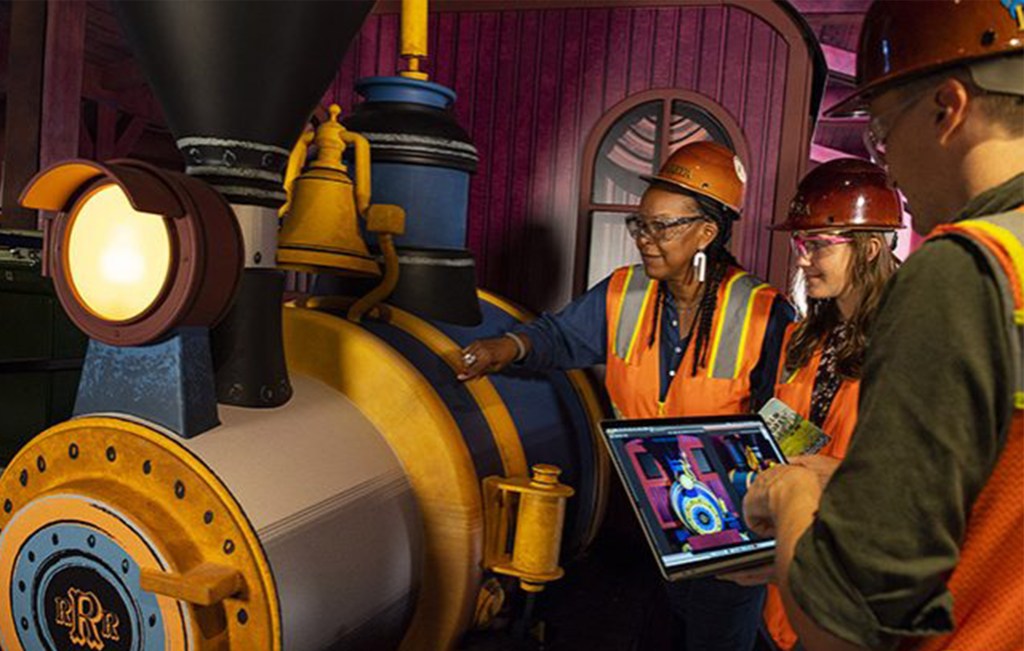
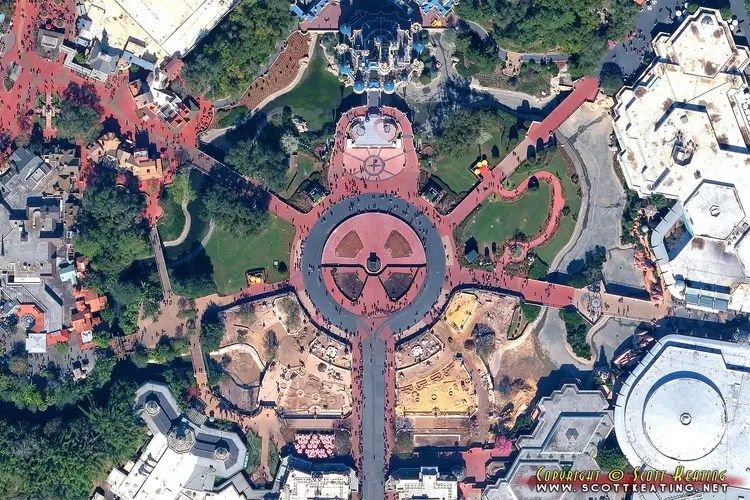
Disney Imagineers (AKA engineers) also understand that people behave differently in different spaces. Main Street, U.S.A., designed after the various cities Disney grew up in, creates a sense of comfort and familiarity. Spaces begin to open up as you move toward Cinderella Castle, creating feelings of amazement and anticipation. Similar to Crawford’s interiors, these spaces give subtle behavioral cues of when to slow down, when to gather, and when to stop and look. Disney follows Doorley and Witthoft’s belief in defining your intent when designing, knowing what you want to get from each space and acting on it.
Disney does a fantastic job of allowing visitors to also enter right into an active space, giving them an immediate sense of the culture and movement of the park. Guests are able to feel the excitement of the community, immediately feeling secure in the decision to visit such a densely-crowded space.
Movement is also an important factor of Disney’s design. According to Doorley and Witthoft, finding ways to get the body moving introduces opportunities for communication and discovery. Disney is constantly keeping people moving in their lines for example, allowing this occupied time to feel worth-wile through interactive elements and perceived progress of getting closer.

Lets look at the attention to detail: even trash cans are carefully placed so guests never need to walk more than 30 steps with garbage. These seemingly ordinary details become extraordinary because they show care for the human experience.
Disney also is skilled in creating designs that are unobtrusive. By hiding the operational complexities, including backstage areas for the characters and other support structures, guests can focus on the more exciting stimulation.
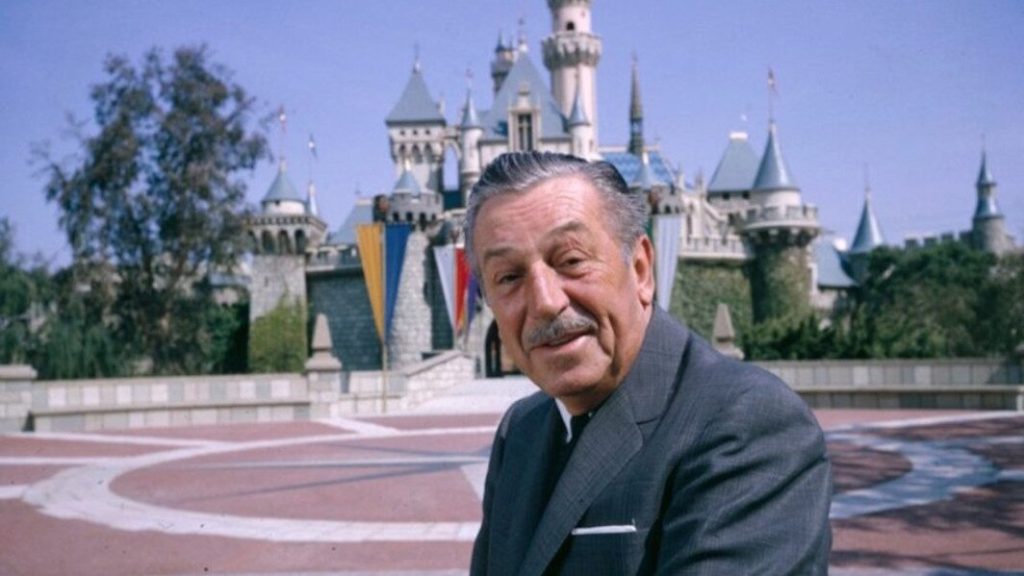
You don’t build it for yourself. You know what the people want and you build it for them. You can design and create, and build the most wonderful place in the world. But it takes people to make the dream a reality.
Co-founder of Walt Disney Productions, Walt Disney.
Doorley and Witthoft further echo this in Making Space, where they argue that the design of environments for collaboration doesn’t require luxurious materials or cutting-edge technology, just thoughtful choices that prioritize people’s needs. This level of detail is not about excess, but attentiveness.
By focusing on universal human values of comfort, joy, and wonder, Disney creates a place where differences are turned into collective experience and fond memories. Centralizing human empathy reflects back to the concepts in Making Space, which encourages designers to create adaptable environments that can serve different groups and evolving needs.
Leaving room to adapt and improve, Disney was also able to allow the space and the people in it to continue to grow as their research and development progressed over the years.
What unites Crawford’s philosophy, Doorley and Witthoft’s frameworks, and Disney World’s design is the idea that environments shape human experience and we should create the best experience possible. When we prioritize empathy, sensory experience, and behavioral cues, we create spaces that don’t just function but create intuitive and fun moments.
Paying attention to how people move, how they feel, and what they need reminds designers that design is not about the object or building itself, but about the human beings who inhabit them.
Disney World succeeds not only because of its entertainment quality but because the Imagineers listens, empathizes, and designs for humans. That is what makes the experience feel so magical.
 Cami Rick