Ever come up with a ‘million-dollar new idea,’ only to watch a company release it a few weeks later? Despite this frustrating feeling, and imagined blow to the bank account, design does not exist in a vacuum. Competition can emerge even before you deliver your first product to the public.
According to Don Norman, author of The Design of Everyday Things, ideas evolve in tandem, shaped by our shared technologies and human needs. Each product we use today is backed by dozens of previous iterations, each reimagined and further refined by different designers.
The Oura Ring, a wearable health and sleep tracker that fits on your finger and sends data to your phone, didn’t appear out of nowhere. This final product has evolved from decades of trial and error, beginning as clunky pedometers and expanding to multitasking smartwatches that provide everything a smartphone does, often ending up as a distraction.
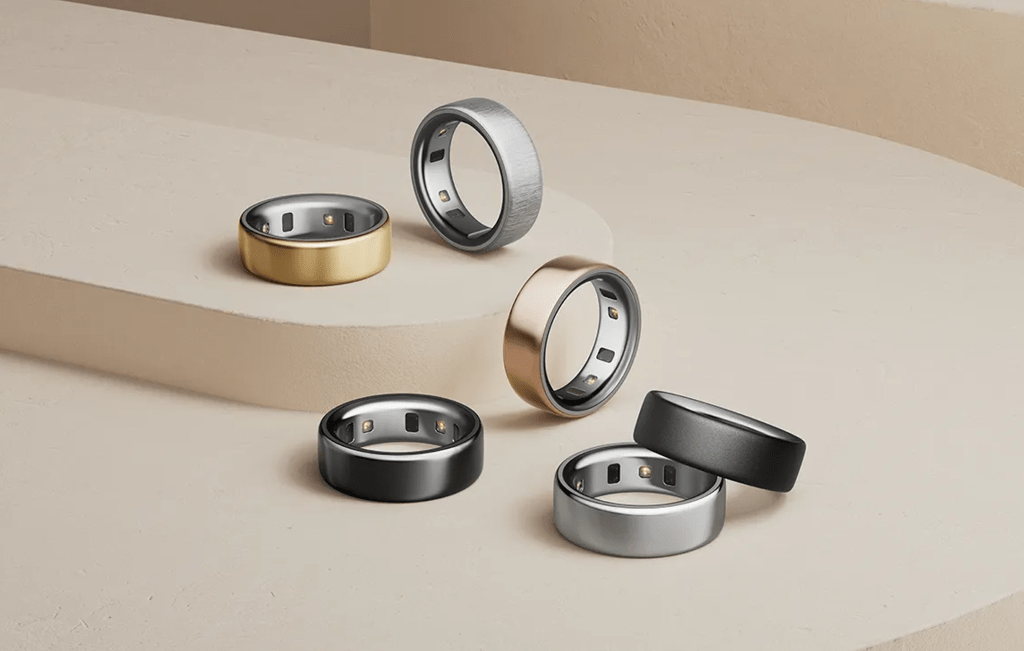
The company was launched in Oulu, Finland 2015 backed by Petteri Lahtela, Kari Kivelä and Markku Koskela, all of whom had extensive experience in product, engineering and research and development at various companies, including Polar and Nokia.
Focusing on experimentation and research, the first Oura Ring Gen 1 was intended to act as a proof of concept to market. This means of collecting data was intended to validate the technical and scientific aspects of the existing product and hone Oura’s algorithms.
Although the founders built their company and released a product within two years of coming together, this technology was not revolutionary to technologists who had been working with wearable computers since the first pedometer with electronic sensors created in 1965. What Oura built on was the result of decades of incremental innovation, each iteration refining how wearable devices could collect and understand human activity. Immediately following the release of the Gen 1 ring, the team began working on their Gen 2 ring, perfecting their look and technology.
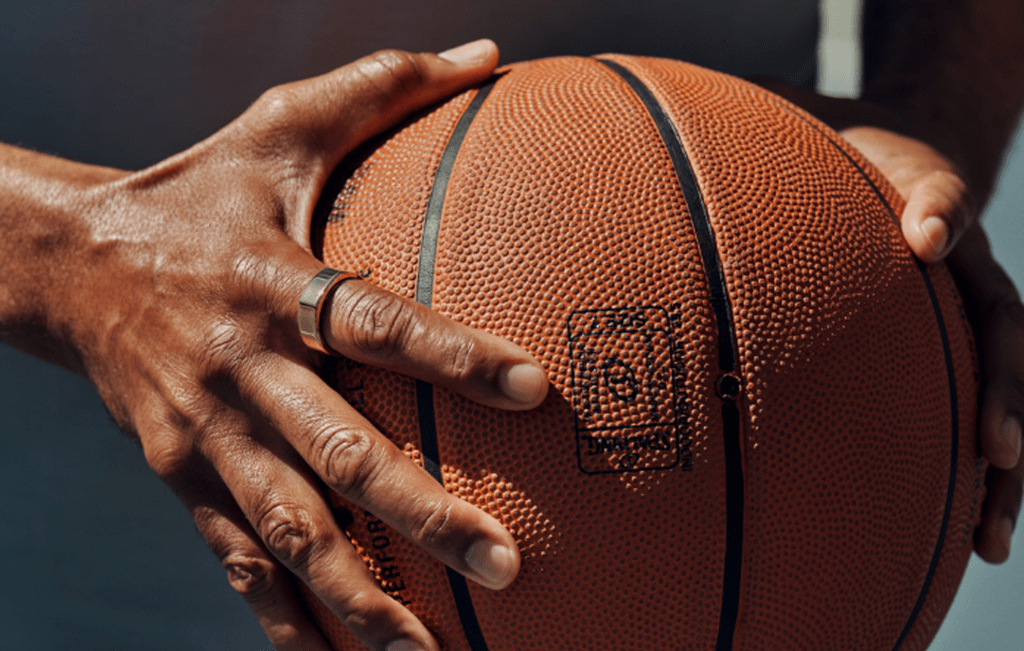
5 years later, Oura rings began gaining significant traction in 2020 to monitor health during the COVID-19 pandemic. The NBA began using the tracker during this time to regulate player health, and the company expanded into San Francisco, creating a home base in the USA.
Because Oura began as a small company, they were willing to jump in with a new idea and start a company that explores their vision. According to Norman, failure can occur for multiple reasons; the market place or technology may not be ready. Luckily for Oura, consumers were ready for something new.
Some consumers were becoming annoyed by the ‘task’ of wearing a smart watch or band everywhere, and wanted a design that felt less intrusive and more focused. Oura entered at the perfect intersection of technological and societal readiness, turning what could have easily been dismissed as an unnecessary tool into an everyday essential. By placing the data in an app on your phone, the need for a legible screen is taken away.
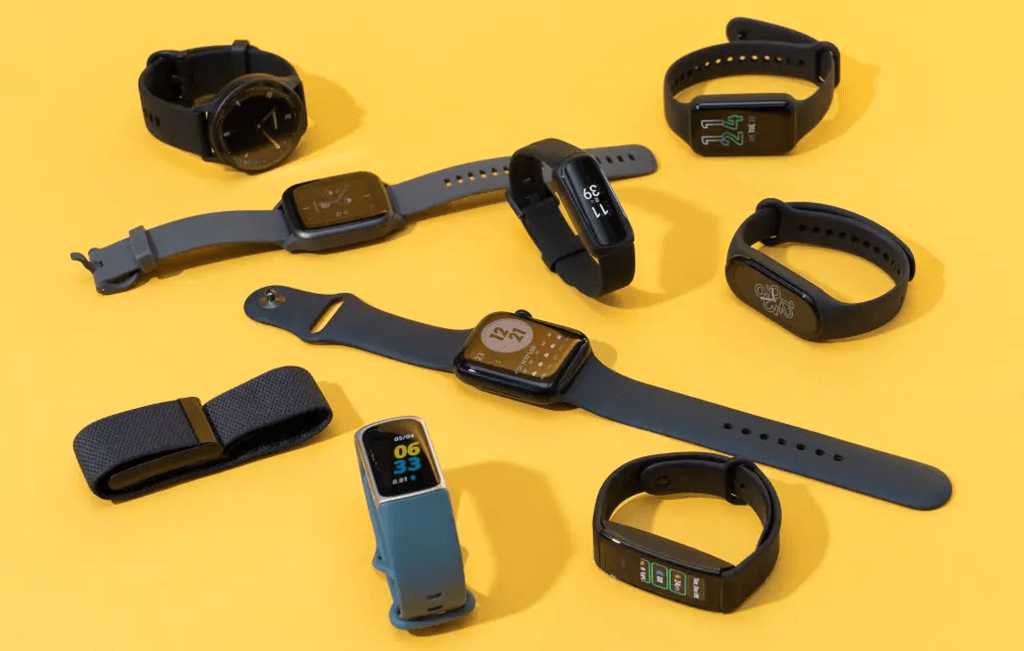
As Oura has continued to exist, they have begun to fall into ‘featuritis.’ Now that they have an established customer base, these customers want more features. In addition, the market is now saturated, with leading technology companies such as Samsung and Verizon selling Smart Rings. As a result of this ‘featuritis,’ in addition to four generations of Smart Rings, Oura has most recently come out with the Gen 4 Ceramic ring, the primary feature difference being the color. This aesthetic change launch is a result of the pressures Oura faces to add new features constantly to stay relevant.

Despite the competition Oura now faces in the market, they were the first to market this idea on a widespread scale, and are the pioneers of the Smart Ring industry. However, now they are too focused on the competition around them.
The best products come from ignoring these competing voices and instead focusing on the true needs of the people who use the product.
Author of The Design of Everyday Things, Don Norman.
The Oura ring became so popular because it fulfilled the human desire and need for simplicity. To have a wearable health tracker that is less intrusive and demanding than a typical smart watch offers less distraction.
However, Oura risks slipping into the trap of featuritis. In trying to match rivals, they’ve begun adding on new functions, app updates, and aesthetic features that threaten to blur the focus that originally defined the ring. Don Norman reminds readers that when companies lose sight of the person at the center of each design, the product is no longer useful or solves a need.
This Finnish company wasn’t created to be the flashiest or have the most options, it was built on being thoughtful. They now must resist overcomplicating their technology and designs in order to stay true to what made them so innovative and desired in the first place: unobtrusive technology that supports and doesn’t distract from life. It came from being the most thoughtful.
The challenge now is whether Oura can resist the pressure to overcomplicate and stick to what made them revolutionary in the first place, which was creating technology that supports life, rather than distracting from it.
 Cami Rick