
We love to speculate about the future. There are movies, books, podcasts, games, and much more devoted to the good and bad possibilities of what life could look like if technology continues to progress.

In the late 1800s & early 1900s, the idea of a “smart home” had less to do with Wi-Fi and more to do with the promise of a life of effortless domestic living. Futuristic depictions and visions centered on automated chores, centralized control, and labor-saving machines, including electric helpers, self-cooking kitchens and robotic maids.
More than a century later, our fascination with the future persists, now fueled by rapid advances in artificial intelligence. Devices like voice assistants, automated lighting, and smart thermostats promise easier living, presenting the idea of a smart home as a system that eliminates effort.
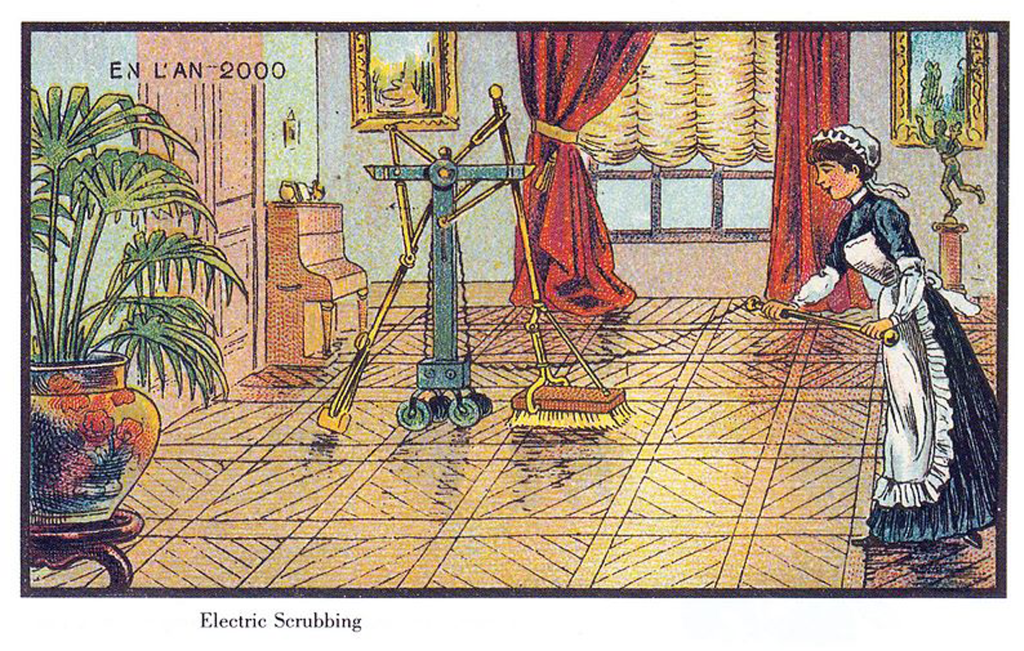
A smart home is equipped with internet-connected devices that allow the home’s security features, appliances, climate controls, and more to be operated remotely via a mobile device.
Writer for Investopedia, Adam Hayes.
A smart home operates as an interconnected system, with devices linked together and accessed through a single interface, often either a smartphone, tablet, or computer. Door locks, televisions, thermostats, cameras, lights and even appliances like refrigerators are all managed through one centralized platform. This control allows users to schedule tasks, activate devices, and monitor their homes from virtually anywhere.

Many smart home systems also utilize self-learning technologies that adapt to routines over time, adjusting lighting, temperature, and other settings automatically. While these features promise convenience and energy efficiency, they also shift everyday decision-making away from the user and into the system itself.
By paying attention to how people move and what they need in their homes, product designers are able to prioritize the people who will utilize them. According to The Design for Everyday Things, by fulfilling their every day needs easily, these pieces of technology are able to lessen user’s cognitive loads. Our Short-term memory (STM) can get distracted or disrupted and conscious thinking takes time and effort. This tool is meant to take pressure off of our brains, allowing us to focus on more complex tasks.
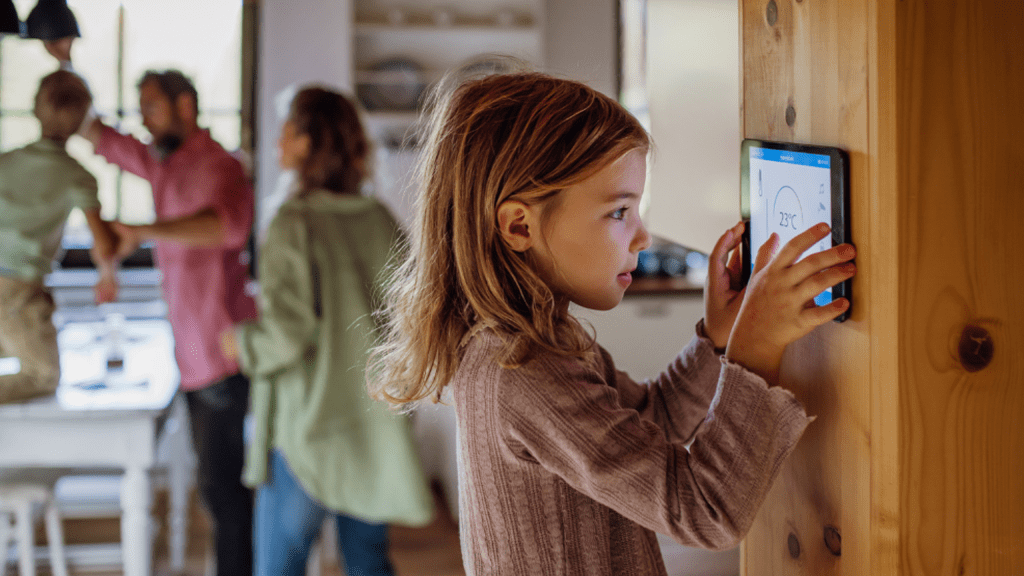
However, Don Norman argues in Emotional Design that for robots to integrate naturally into everyday life, they must do more than complete tasks effectively. They must be able to express emotion. Emotion is what allows artificial intelligence to navigate more complex situations rather than merely follow instructions.
Much of the smart home experience today occurs through voice assistants, with Amazon’s Alexa serving as a prime example. Alexa has become a household name; by 2019 the company had sold more than 100 million Alexa devices, showing both the potential and the limits of smart home technology.
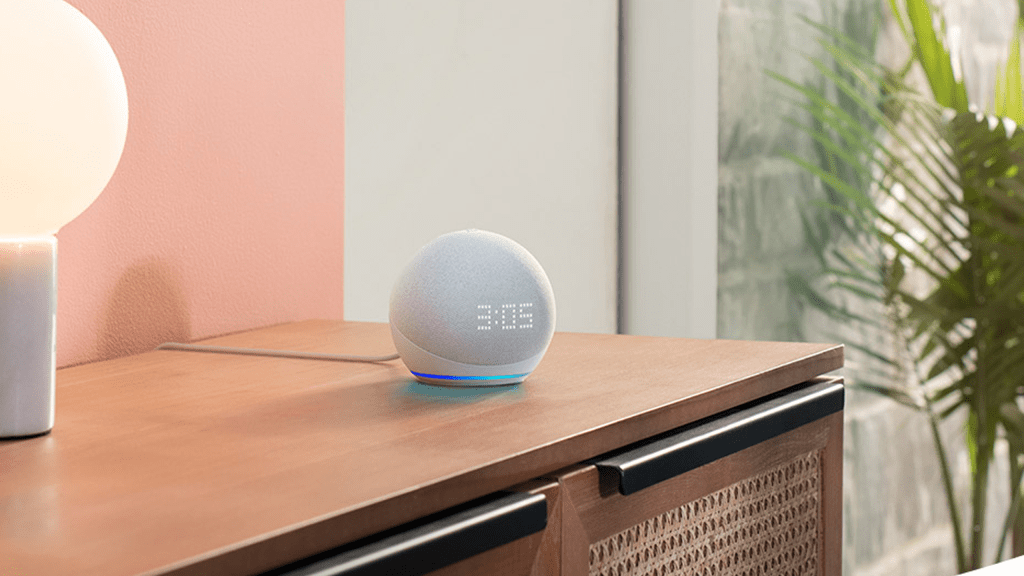
With voice commands, Alexa can control lights, appliances, and entertainment, promising effortless convenience.The Amazon voice assistant is an accessible and modest way to experiment with smart home technology, however it lacks any emotion or further understanding of complex direction and commands because of its simplicity.
Today’s more sophisticated robots and AI systems can now model emotion much more convincingly, however this does not translate to the common smart home devices found in the everyday home.
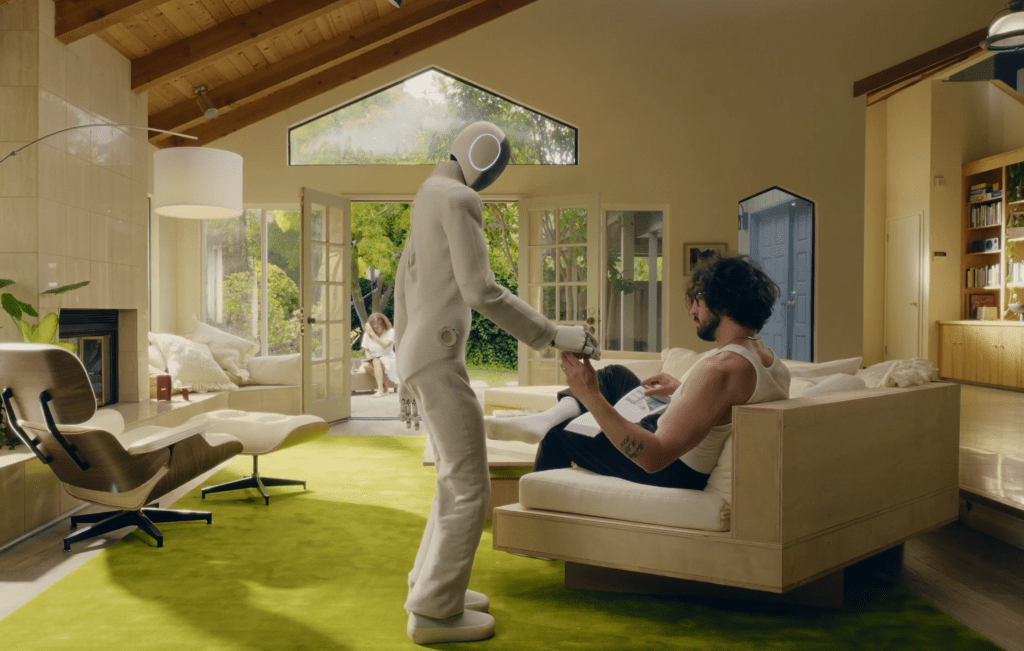
One of the more extreme contemporary examples of this push toward automated domestic life is the NEO home robot from 1X Technologies. Marketed as one of the first ‘consumer-ready humanoid robots’ designed for everyday households, NEO promises to transform the speculative fantasies of the past (thinking C-3PO) into something tangible in the present.

Neo takes on the boring and mundane tasks around the house so you can focus on what matters to you.
1X Tech on NEO Home Robots.
Unlike a simple smart speaker or connected lightbulb, NEO is built to move through your home and interact with the physical space surrounding it. It can open doors, carry objects, organize shelves, fold laundry, and switch off lights. NEO operates with a combination of built-in AI, complete with audio and visual perception, contextual memory, and conversational ability, as well as a scheduling interface that allows homeowners to assign chores by voice command or through an app.
Neo is built for full autonomy.
1X Tech on NEO Home Robots.

However, homes are places of comfort, habit, and trust. When controls malfunction, users will lose confidence in their surroundings. A light that turns on without explanation or Alexa misunderstanding a command disrupts not just functionality, but the sense of control we expect within our own homes.
While systems like NEO are designed to remove effort, they also introduce new layers of complexity and issues that require users to interpret, troubleshoot, and adapt.
From early visions of helper robots to today’s AI-powered assistants, our ideas of the future have consistently promised ease through automation. However, true integration with artificial intelligence does not come from removing effort for us alone, but from designs that remain understandable, expressive, and aligned with the user’s expectations.
We continue to rapidly progress each day, and I look forward to seeing what new speculations of our future will look like.
 Cami Rick