Category: Uncategorized
-

Life as We Imagined It
We love to speculate about the future. There are movies, books, podcasts, games, and much more devoted to the good and bad possibilities of what life could look like if technology continues to progress. In the late 1800s & early 1900s, the idea of a “smart home” had less to do with Wi-Fi and more…
-
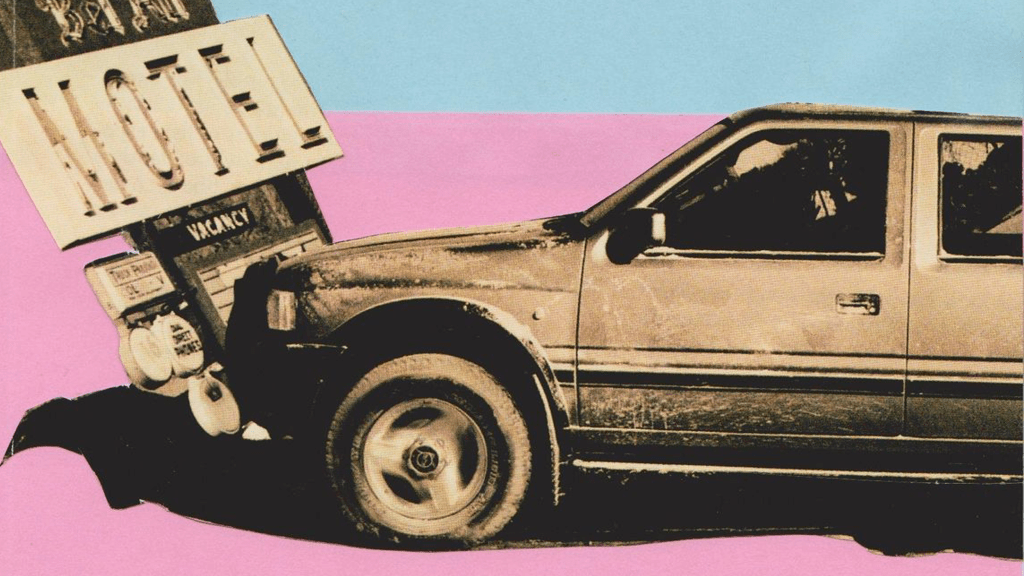
Becoming a Backseat Driver
Autonomous vehicles are available, but are we ready for the consequences? Waymo’s robotaxis promise safer roads and driverless convenience, yet glitches, inexperience, and questions of accountability reveal a more complicated reality.
-
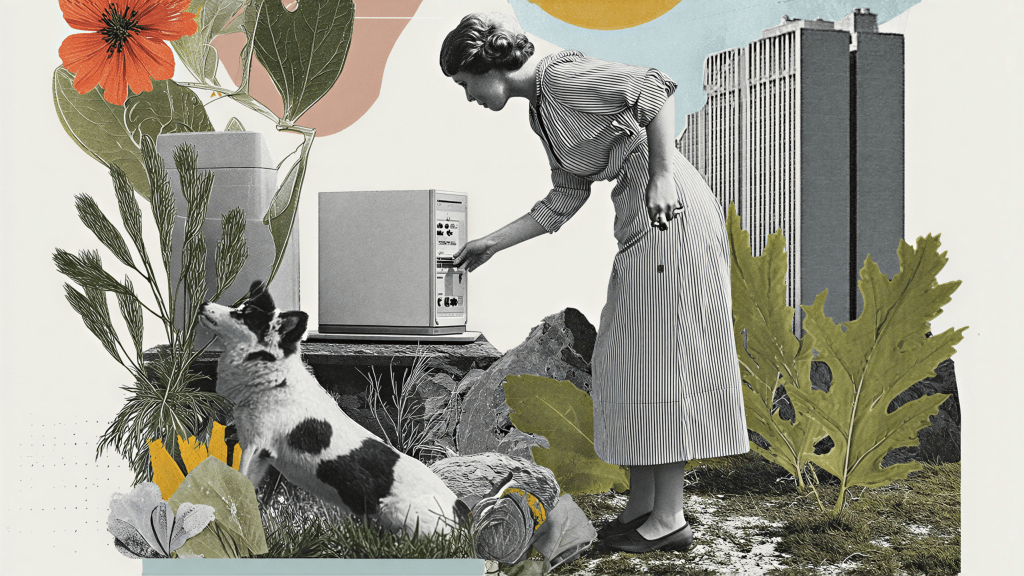
Design Your Companionship
Since their creation, robotic pets have continued to evolve into increasingly sophisticated companions designed for entertainment, support, and emotional connection. Norman argues that for robots to fit naturally into our lives, they must do more than perform tasks.
-

Rooms Rearrange Us
The experience of shopping can reveal just as much about design as the products themselves. A $20 T-shirt and a $2,000 handbag don’t just differ in price, they come with an entirely different shopping experiences.
-
Why Objects Speak to Us
Every object we love speaks to us on multiple levels. The things that truly resonate with us appeal to our three levels of processing as humans: the visceral, the behavioral, and the reflective. Lush, a handmade cosmetic brand, designs for all three.
-
More Isn’t Always Better
Ever come up with a ‘million-dollar new idea,’ only to watch a company release it a few weeks later? Ideas evolve alongside our technologies and needs. Every product builds on countless past iterations, refined by different designers. The Oura Ring, a wearable health and sleep tracker, didn’t appear out of nowhere.
-
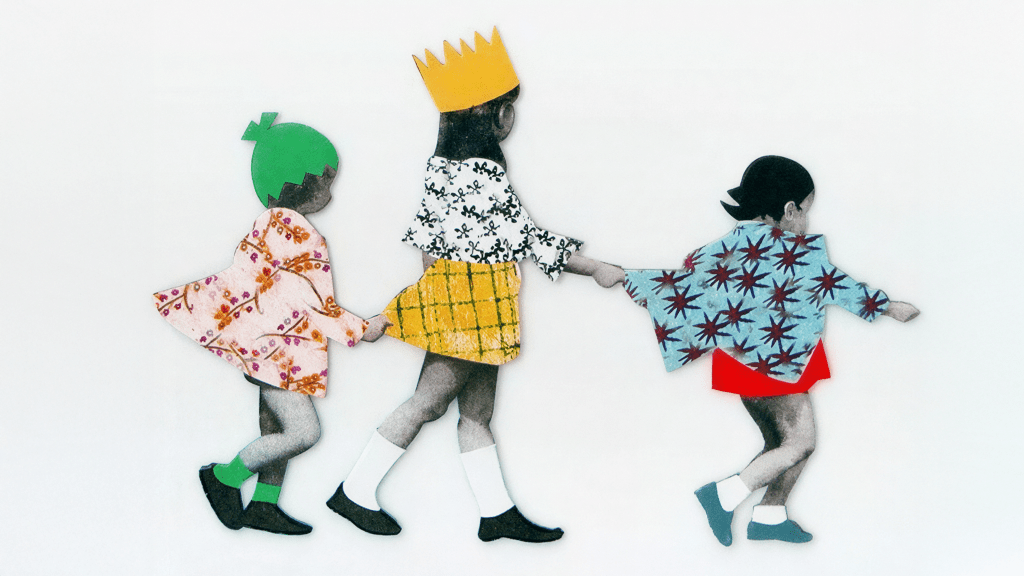
Understanding Grows with Everyday Cues
Our behavior is shaped by a combination of knowledge in the head and knowledge in the world, but human memory is complex. Because of this, we often rely on knowledge in the world to guide our actions. IKEA, a Swedish furniture store, is full of these external cues, or signifiers.
-
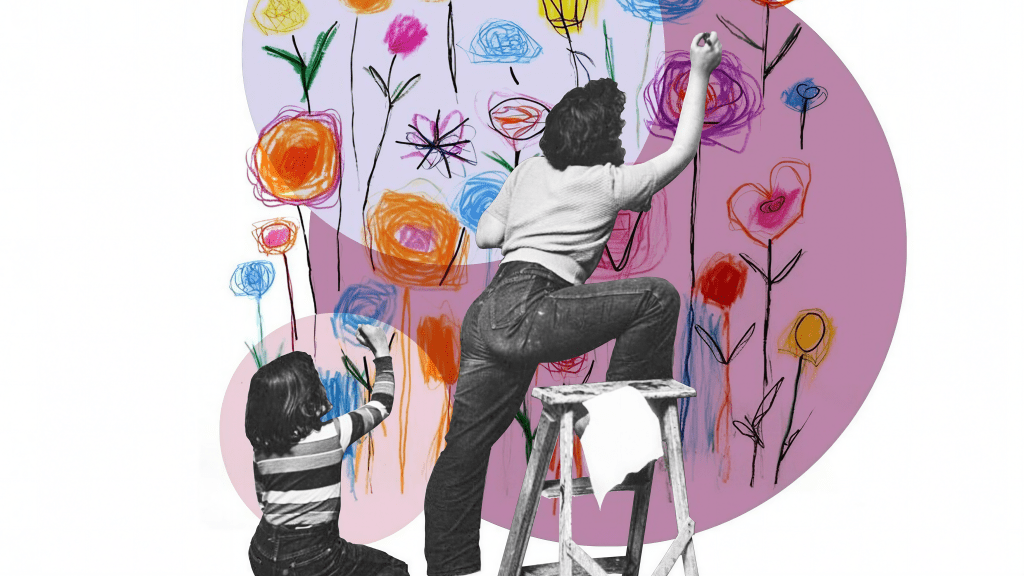
Ideas Thrive in Open Spaces
By altering the barriers of typical workplaces, open-office environments help organizations work as a collective unit, one that works better as the sum of its parts. Creativity thrives on interaction. When employees are no longer confined to cubicles or separate offices, the barriers to communication change.
-
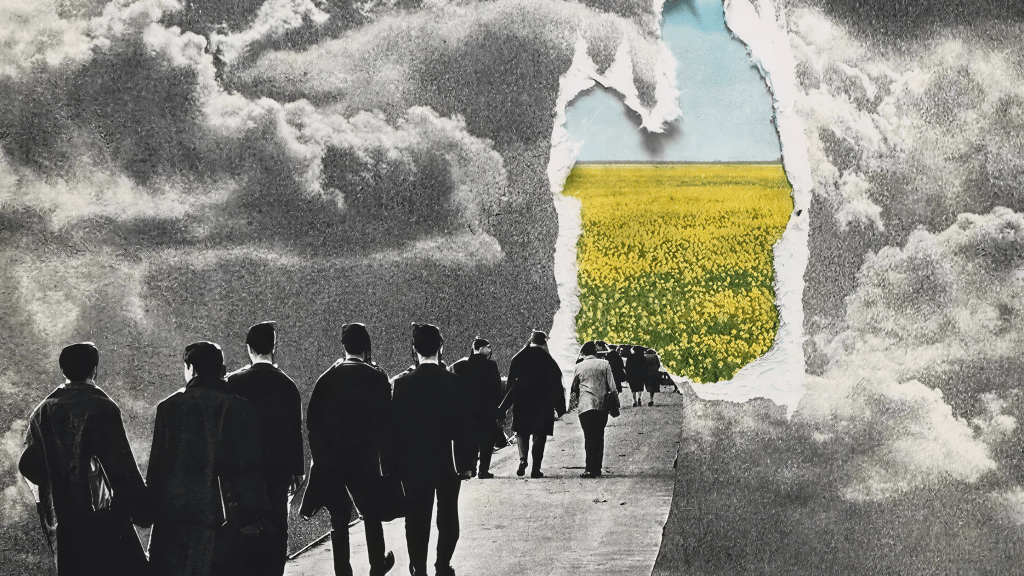
Imagination Flourishes by Thoughtful Design
Beneath the spectacle of Disney World lies an incredible exercise in human-centered design. It is not just a theme park, but a place meticulously crafted to prioritize the human experience. When we prioritize empathy, sensory experience, and behavioral cues, we create spaces that don’t just function but create intuitive and fun moments.
 Cami Rick